Find Your Vibe in Miami Beach

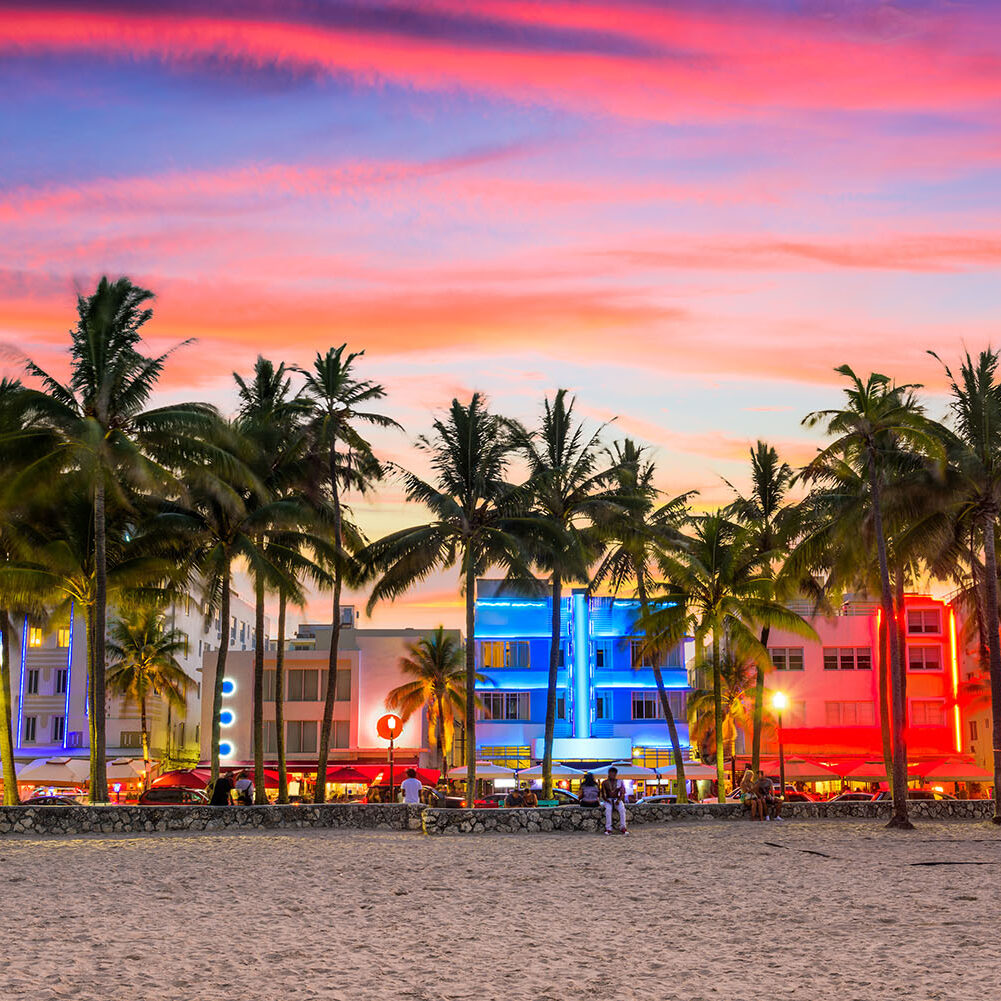
Miami Beach offers a multitude of places to shop, dine, play and stay to match your perfect vibe. Explore all that Miami Beach has to offer with an interactive directory by area.
Visit www.FindYourVibeMB.com
.

Explore Our Neighborhoods
Discover the Beachwalk

No matter what time of year you visit Miami Beach, make it a point to jog, bike or take a stroll along the newly completed Beachwalk. Spanning the entire length of Miami Beach, the oceanside promenade offers residents and visitors a unique, nature-based experience. Skip the traffic and get in touch with the great natural beauty that envelops Miami Beach. You’ll find bicycle rentals at specially marked kiosks throughout the island. If you get tired, you can always hop aboard one of the complimentary trolleys that connect the city’s three neighborhoods — South Beach, Mid Beach and North Beach.

History of Miami Beach
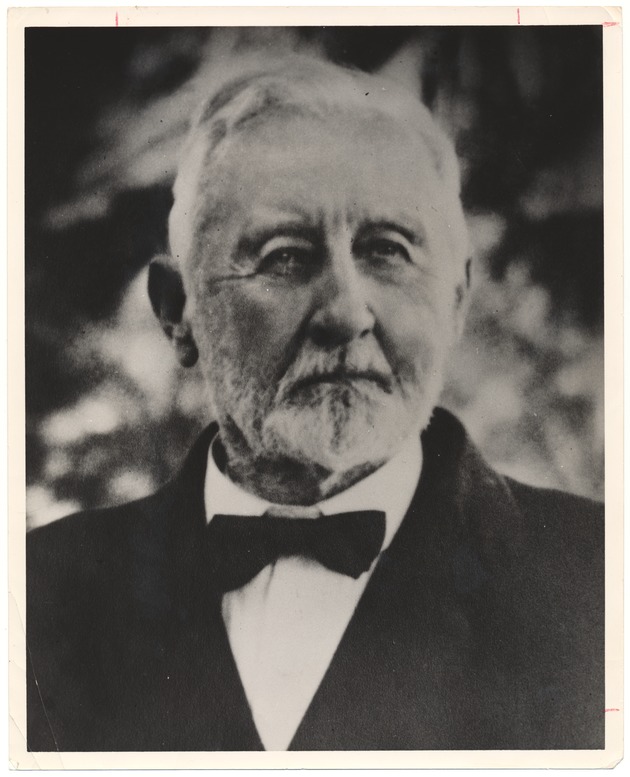
John Collins

Miami Beach is Born

Miami Beach officially became a city on March 26, 1915 — three years after founding father and agriculturalist John Collins dredged what is now Collins Canal to bring his valuable green fruit and exotic mangos to market. That was when the human-made island was home to what was believed to be the world’s largest avocado and mango orchards in the world. During the roaring ‘20s, fellow founding father and consummate showman Carl Fisher would change the city’s destiny by triggering the first big wave of tourism in Miami Beach through a publicity shoot involving then President-elect Warren G. Harding and a baby elephant named Rosie — “the only elephant caddie in captivity” cooed a photo caption at the time. The photogenic pachyderm dangled Harding’s golf club from her trunk and the rest was history. Fisher’s vision of Miami Beach as America’s winter playground was further cemented in a Times Square billboard that read: “It’s always June in Miami” — a claim that still resonates today.

John Collins
House of Refuge

Protecting Our Shores for 150 Years

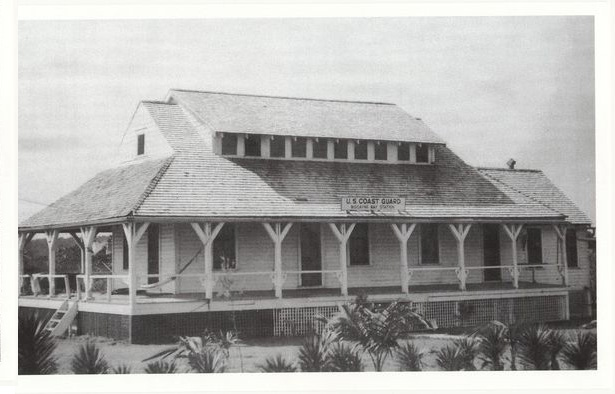
The U.S. Coast Guard may have officially landed in the North Beach neighborhood of Miami Beach in 1915 when the organization was established nationally, but the U.S. Life-Saving Service first constructed a House of Refuge here in 1876 under an executive order issued by President Ulysses S. Grant. For more than 30 years, 10 keepers and their families — starting with William J. Smith and ending with Orlando A. Quarterman — searched the beach for castaways after every storm. They provided food, clothing, shelter and a safe return to civilization. The guard took over the two-story wooden structure at 72 Street and Collins Ave. until the building was destroyed by the Great Hurricane of 1926. Residents and visitors can still find a city marker near the original location. In 1941, the property was conveyed to the City of Miami Beach for use as a public park in exchange for the construction of a new island and station on the MacArthur Causeway. Since that time, the Coast Guard has continued to operate Coast Guard Base Miami Beach as an integral part of the Miami Beach community.

House of Refuge
1940s Miami Beach Bootcamp

International Destination

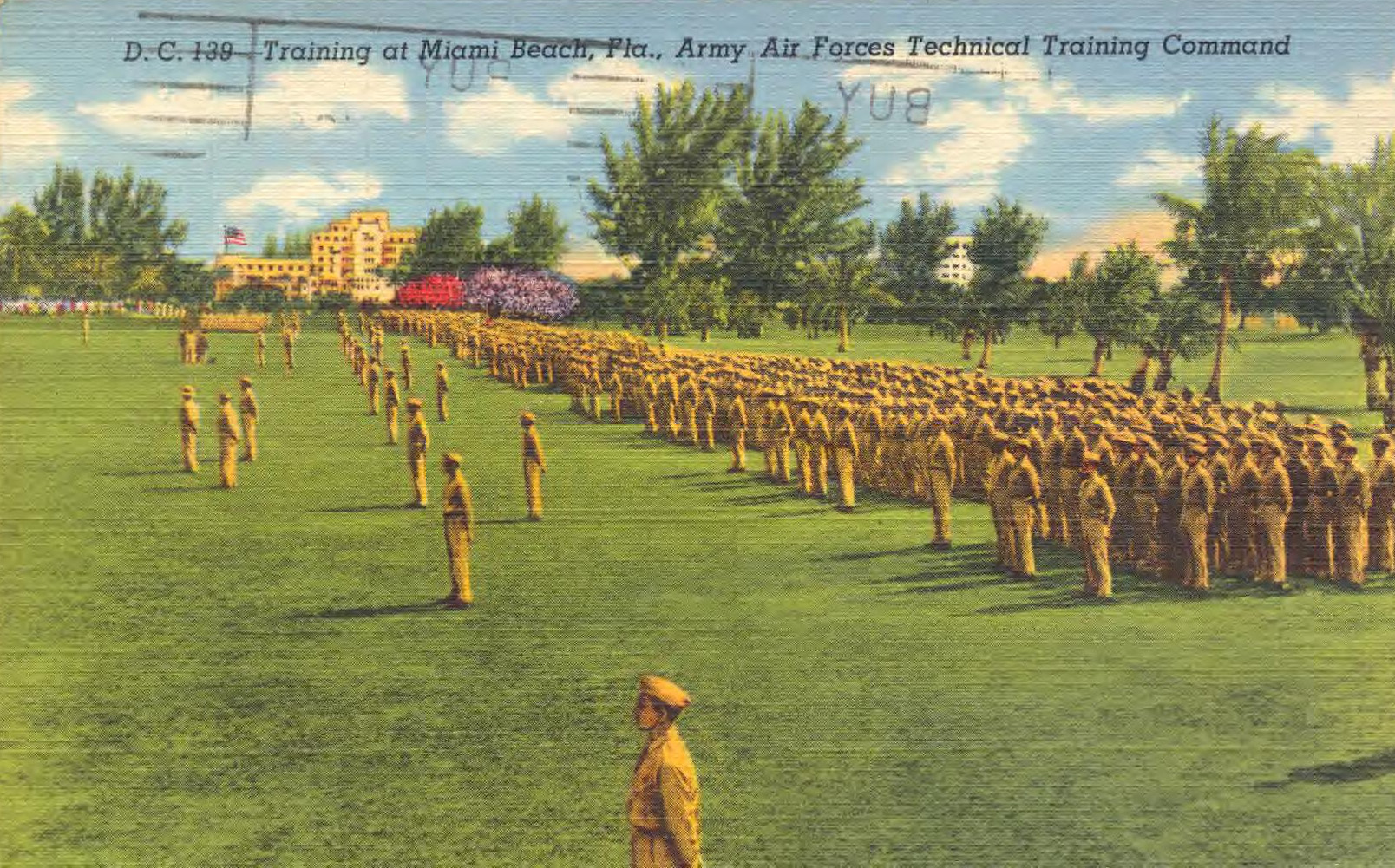
World War II marked a time unlike any other in the city’s history when the Army Air Forces Technical Training Command brought a fifth of all enlisted men and a fourth of all officers to train in what soldiers lovingly referred to as “the most beautiful bootcamp in America.” Many Miami Beach landmarks were repurposed. Recruits learned swimming skills at the resort pool of the Roney Plaza hotel while the Miami Beach stock exchange on Collins Avenue served as a clinic for soldiers with foot problems. The Drake Hotel’s cigar store and coffee shop became a classroom for military cooks and bakers as recruits learned how to use protective gear at the Flamingo Park Baseball Field. It was not until after the war that the Air Force became a separate branch of the U.S. military.

Did you know screen legend Clark Gable was among the approximately half-a-million troops who visited Miami Beach during the war years of 1942-45?

1940s Miami Beach Bootcamp
Historic photo of people on the beach

Postwar Population Boom

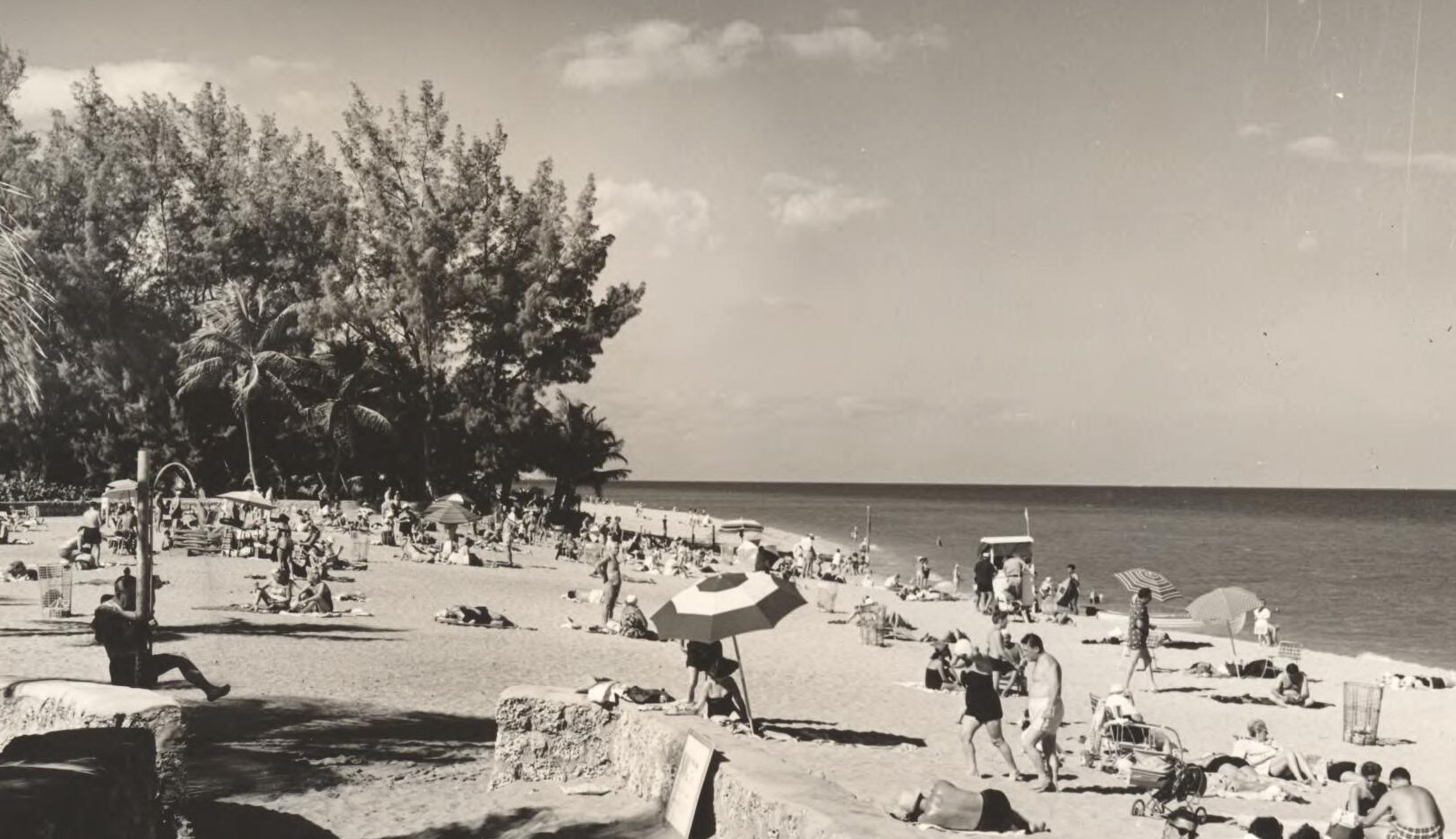
Unable to shake the sand from their shoes, many veterans returned to Miami Beach to buy homes and raise families in Miami Beach as the city experienced one of the most explosive population expansions in its more than 100-year history.

Historic photo of people on the beach
Barbara Capitman

Triumph of Preservation

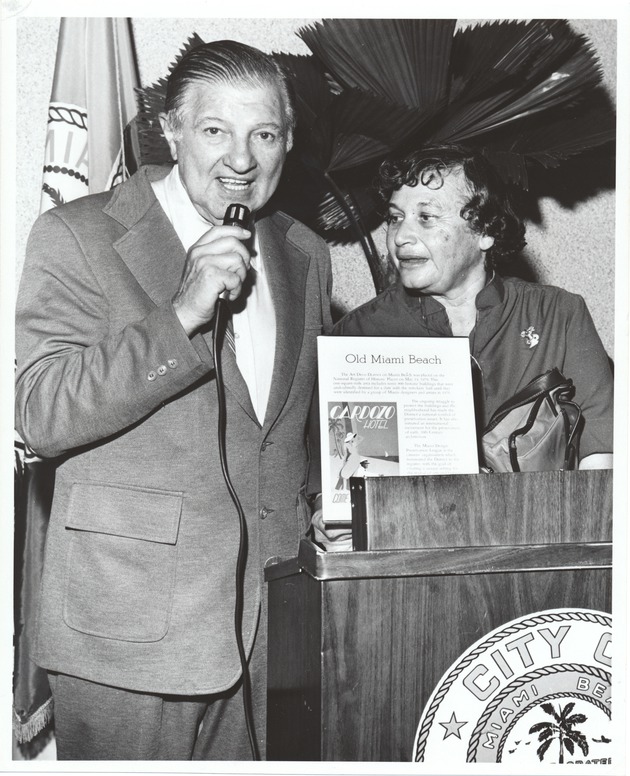
It’s hard to envision a time when the art deco of Miami Beach would have been threatened by cranes and bulldozers. But that’s what mobilized preservationist and activist Barbara Capitman and her determined group of followers in the 1970s and ‘80s to form the Miami Design Preservation League. The Miami Beach National Register Art Deco District became the nation’s first urban 20th century history district on May 14, 1979. Today, residents and visitors can still pass by the bronze replica of a bust of Capitman originally created by her mother, who was a sculptor and artist. The bust can be found in Lummus Park steps away from bustling Ocean Drive, which now has many restored hotels thanks to Capitman’s efforts.

Barbara Capitman
Art Deco architecture

Largest Concentration of Art Deco in US

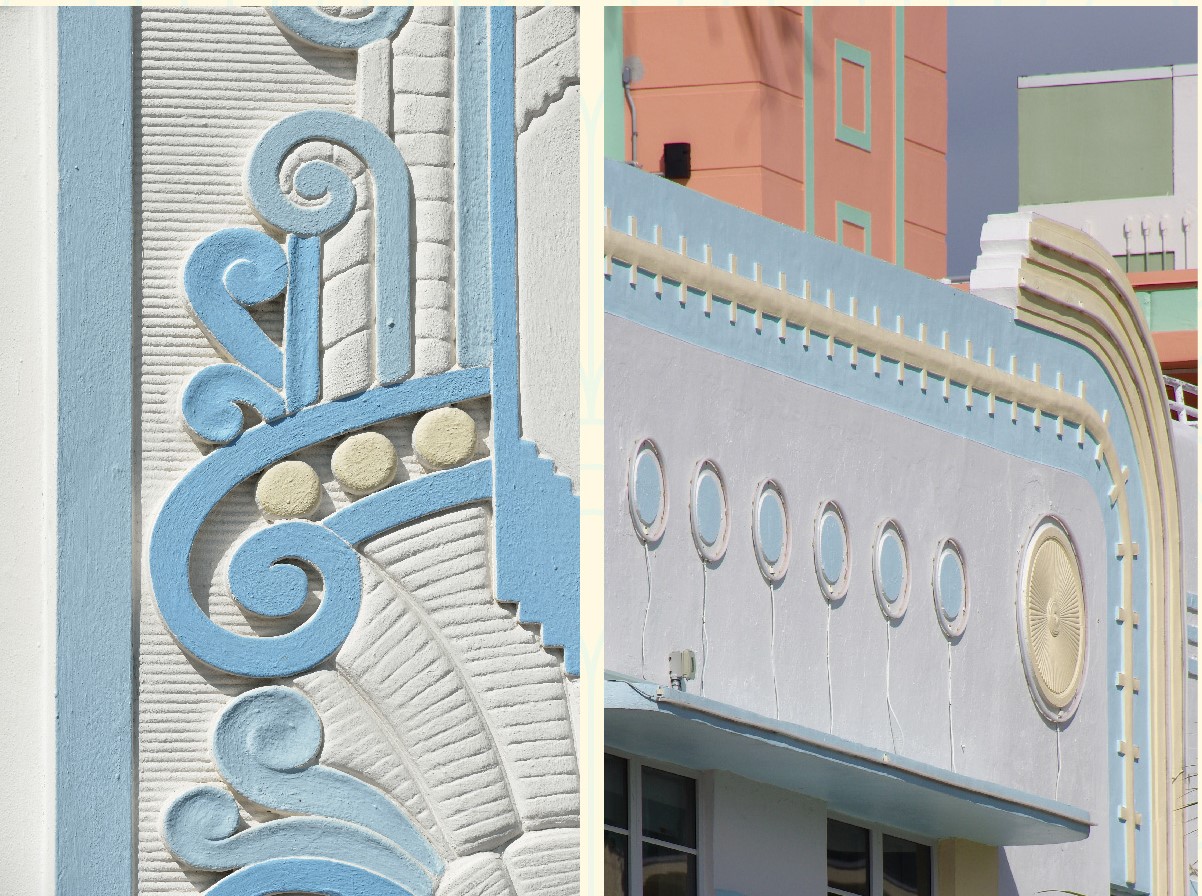
Every city in the world where art deco has found a home has its own take on the architectural style. Often described as tropical art deco in Miami Beach, the first art deco buildings appeared in 1933 after the Great Miami Hurricane of 1926 caused extensive damage to homes and hotels. The conditions were right for new ideas and a new form of architecture to take hold piloted by a relatively small group of architects that included Albert Anis, L. Murray Dixon and Henry Hohauser. The golden age of art deco in Miami Beach extended into the ‘40s. Visitors travel from all over the world to experience the city’s whimsical concrete eyebrows, cruise ship portholes, hopeful sunbursts, zigzags, cubes, triangles and playful symmetry of Miami Beach art deco.

Art Deco architecture
Fontainebleau with boats in front

Nifty ‘50s

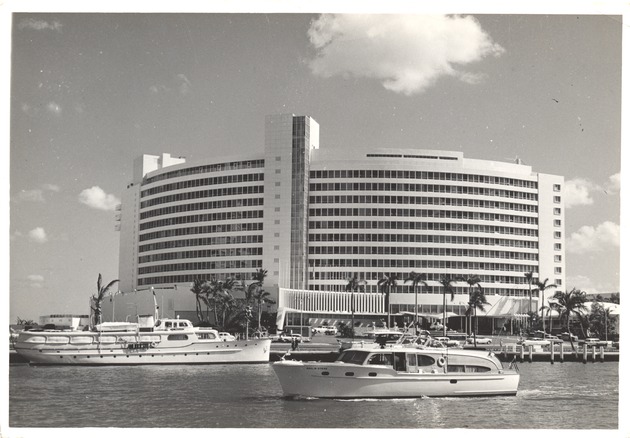
Every city in the world where art deco has found a home has its own take on the architectural style. Often described as tropical art deco in Miami Beach, the first art deco buildings appeared in 1933 after the Great Miami Hurricane of 1926 caused extensive damage to homes and hotels. The conditions were right for new ideas and a new form of architecture to take hold piloted by a relatively small group of architects that included Albert Anis, L. Murray Dixon and Henry Hohauser. The golden age of art deco in Miami Beach extended into the ‘40s. Visitors travel from all over the world to experience the city’s whimsical concrete eyebrows, cruise ship portholes, hopeful sunbursts, zigzags, cubes, triangles and playful symmetry of Miami Beach art deco.

Fontainebleau with boats in front
1960s ed sullivan show

Fabulous ‘60s

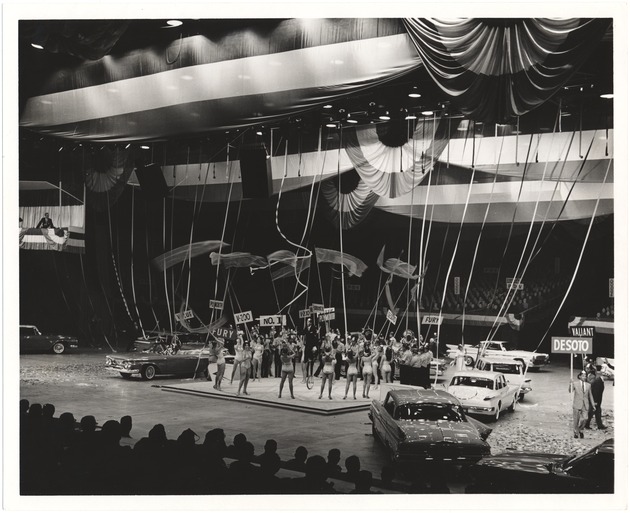
Ed Sullivan, who dominated America’s Sunday night television lineup for years with “The Ed Sullivan Show,” famously introduced the Beatles from the Deauville Resort for only their second U.S. appearance on Feb. 16,1964. Days later, legendary boxer Muhammad Ali overcame 8-1 odds on Feb. 25, 1964 to best then heavyweight boxing champion Sonny Liston at the Miami Beach Convention Center. Four years later, the city would host the 1968 Republican National Convention in which former President Richard M. Nixon was selected as the Republican presidential nominee.

1960s ed sullivan show
DNC 1972

Sensational ‘70s

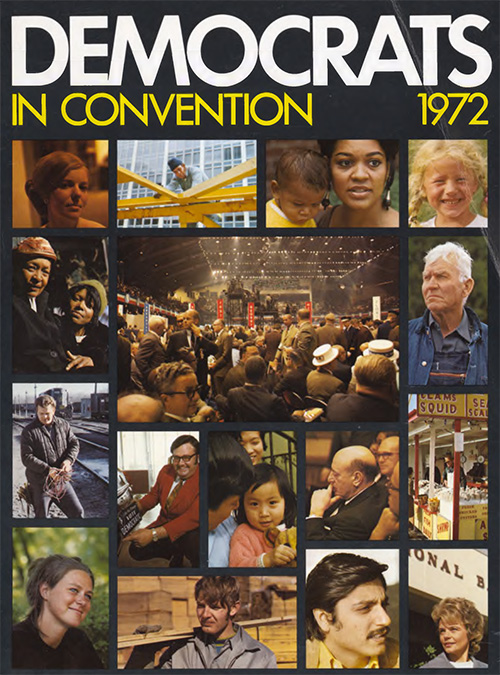
Miami Beach hosted both presidential conventions in 1972 — the Republican National Convention in which President Nixon was again selected as the Republican standard bearer and the 1972 Democratic National Convention, in which Sen. George McGovern was picked to run against Nixon during the then president’s now infamous reelection bid. Though successful at the polls, Nixon was later pressured to resign by the Watergate scandal. The ‘70s also saw the Cuban community swell in Miami Beach thanks to twice-daily Freedom Flights ahead of the 1980 Mariel Boatlift.

DNC 1972
1980s miami vice scene

‘80s ‘Miami Vice’ Effect

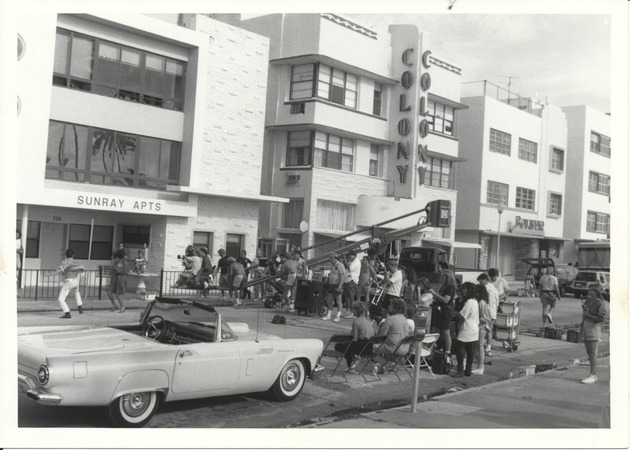
Exotic sports cars, bikini models, cigarette boats, unstructured jackets and pastel-colored T-shirts with beltless linen pants —  the “Miami Vice” TV show ushered in a new era of fashion, music, glamor and tourism to South Florida from 1984 to 1989 that continues to this day. This international cultural juggernaut  captured the world’s attention and changed everyone’ s perception of what life could be like in Miami Beach — with the right mix of investment, sun, sand and above all else — art deco. As a result of the show, Miami Beach became a favorite shooting location for commercials and print ads.

1980s miami vice scene

‘80s ‘Miami Vice’ Effect

Exotic sports cars, bikini models, cigarette boats, unstructured jackets and pastel-colored T-shirts with beltless linen pants —  the “Miami Vice” TV show ushered in a new era of fashion, music, glamor and tourism to South Florida from 1984 to 1989 that continues to this day. This international cultural juggernaut  captured the world’s attention and changed everyone’ s perception of what life could be like in Miami Beach — with the right mix of investment, sun, sand and above all else — art deco. As a result of the show, Miami Beach became a favorite shooting location for commercials and print ads.

1980s miami vice scene
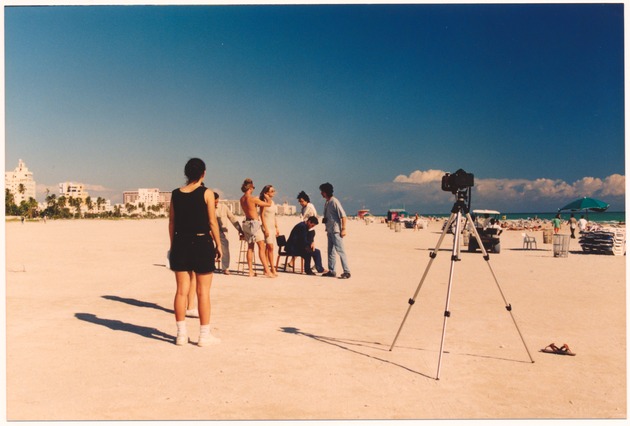
1990s beach photo session

Investments in Future

Led by the South Pointe Community Redevelopment Agency, investment came pouring into South Beach during the ‘80s and ‘90s. The CRA is credited with the revitalization of the South of Fifth neighborhood. The CRA is still regarded as the most successful in Florida as well as one the most successful in the United States. Assessed property values skyrocketed from $59 million to approximately $2.2 billion by 2005. Two other CRAs — focusing on the city center and the North Beach neighborhood — continue to spur economic growth throughout Miami Beach.

1990s beach photo session

Voter-Led G.O. Bonds

Miami Beach voters overwhelmingly approved $600 million in two game-changing general obligation bonds — in 2018 and 2022. The combined effect of both financial instruments has been to fund dozens of new and reimagined parks, sidewalk improvements throughout the city, the completion of the Beachwalk, better lighting and security cameras as well as the transformation of Miami Beach into a global arts and culture destination.

Bandshell Park

Next Big Thing — North Beach

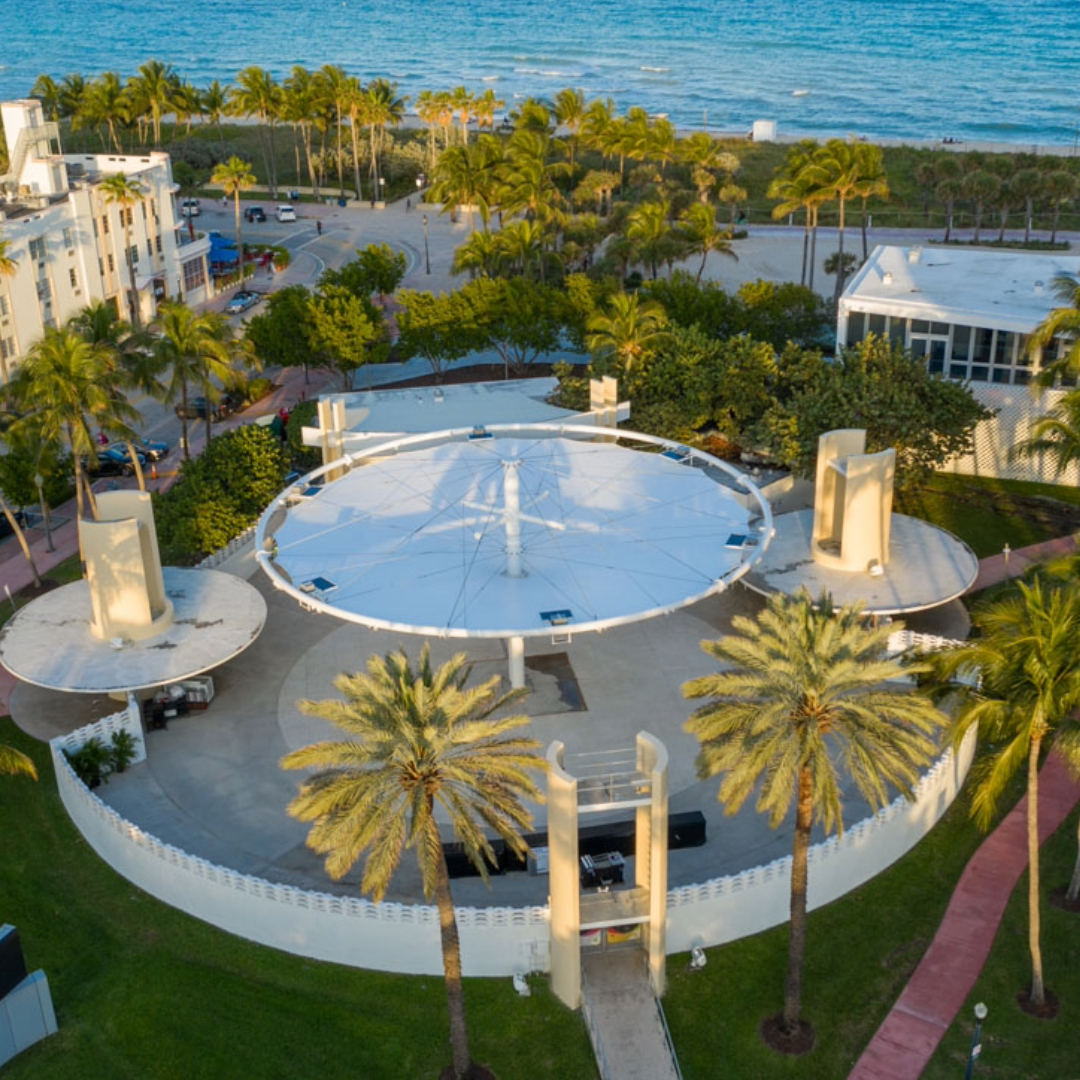
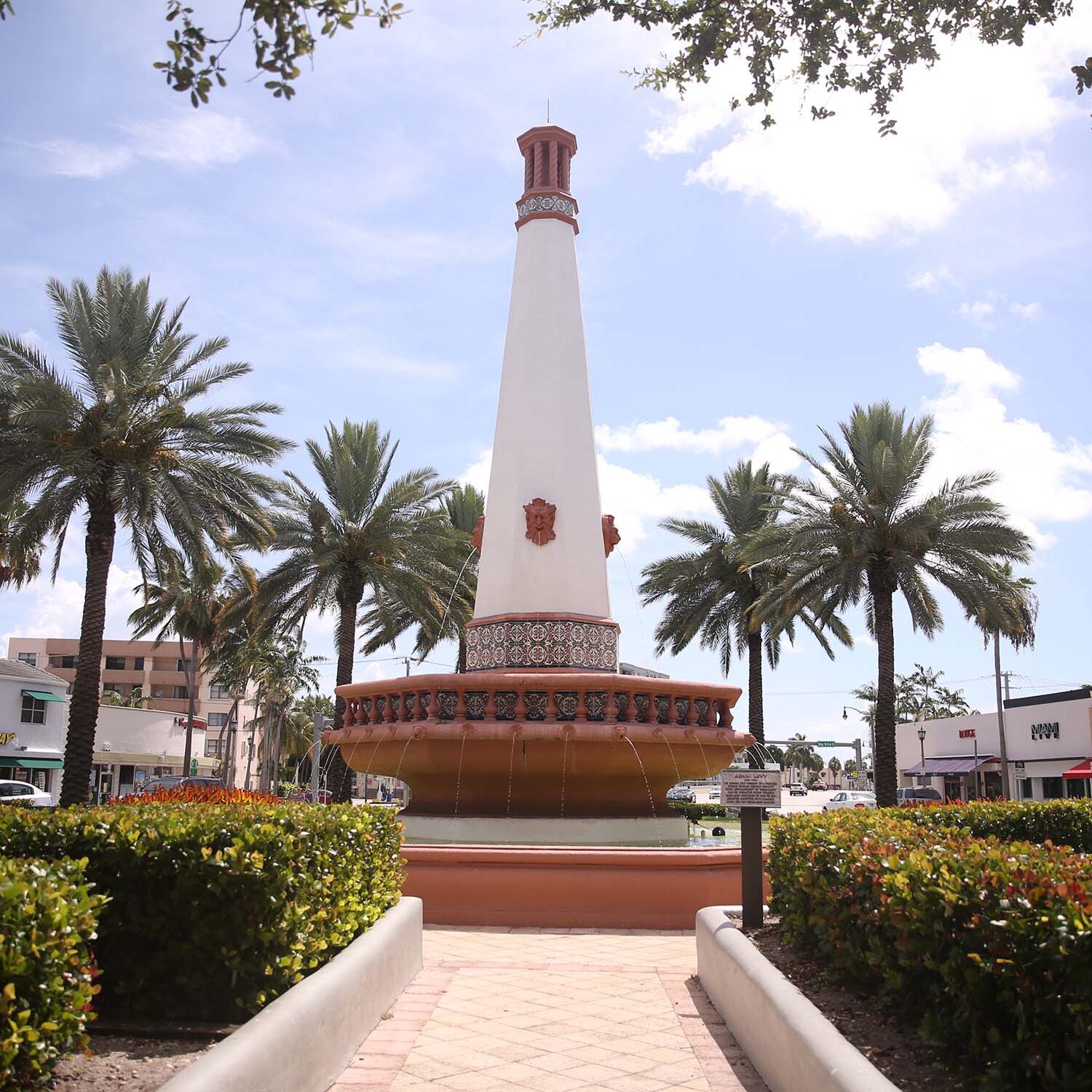
Known for its Miami Modernist, or MiMo architecture, much of the city’s North Beach neighborhood is home to this postwar style, including the Miami Beach Bandshell, which was designed by MiMo pioneer Norman H. Giller. During the 1970s the bandshell served as the winter home of television’s long-running “The Mike Douglas Show,” drawing big names like Jackie Gleason, Burt Reynolds, Milton Berle as well as K.C. and the Sunshine Band. Thanks to the North Beach CRA, numerous transformational projects are planned, including the recently completed Ocean Terrace Park, North Beach Oceanside Park and Normandy Fountain, which is celebrating its centennial this year. Future plans call for a mixed-use Town Center, new and renovated hotels, luxury and affordable housing as well as new shops and restaurants.

Bandshell Park
people at the beach

Built With Diversity

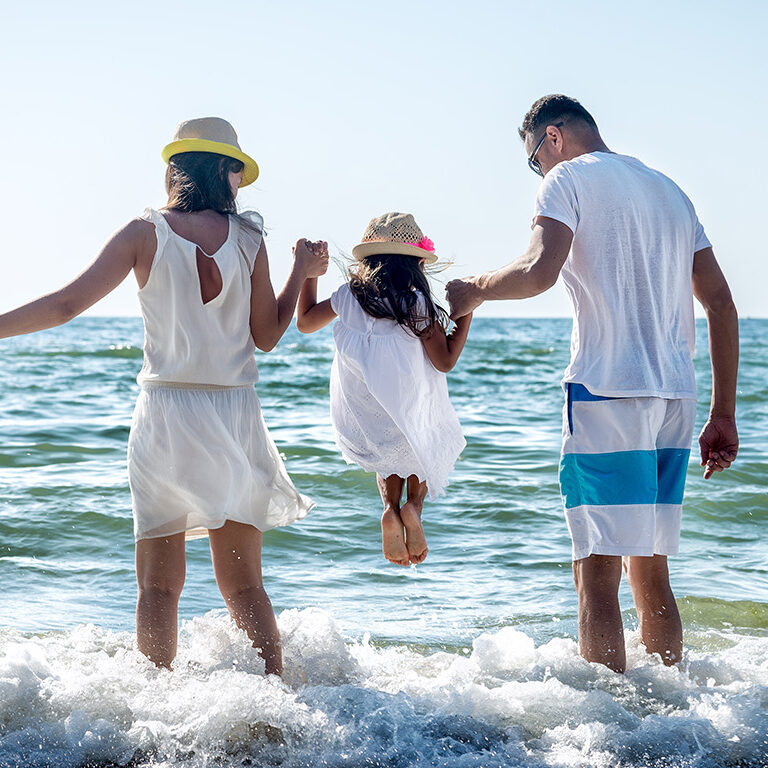
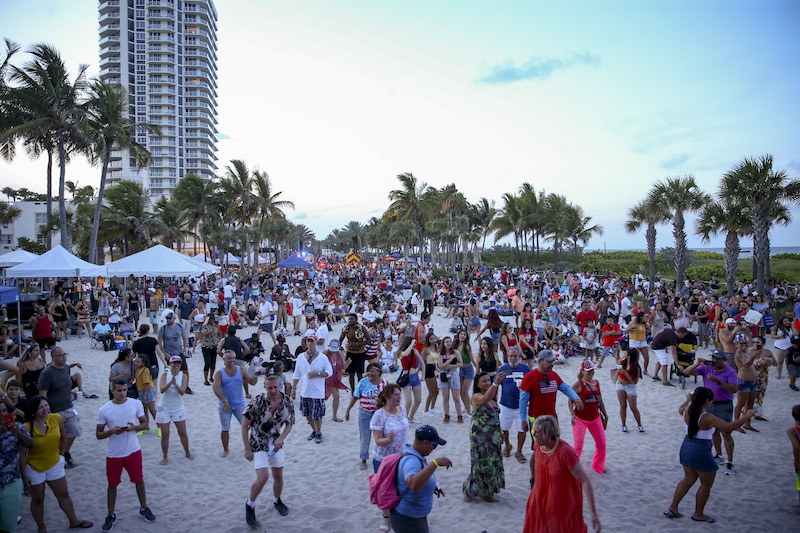
Miami Beach owes its global appeal in part to the diversity of the people who brought it to life — from founding fathers John Collins, Carl Fisher and brothers John Newton Lummus and James Edward Lummus — to the returning troops who settled here after World War II. From the large immigrant base who came here from Cuba and Latin America to the large community of Jewish residents seeking freedom from persecution, including many survivors of the Holocaust — and to everyone who ever dipped their toes in our turquoise Atlantic and knew they were home.

people at the beach

Sustainable Tourism

The City of Miami Beach is committed to improving the environmental sustainability of the community
and this includes improving and creating awareness of sustainable tourism.

Department of
Tourism & Culture

1755 Meridian Ave, Suite 500
Miami Beach, FL 33139
Phone: 305.673.7577

NOTICE: Under Florida law, e-mail addresses are public records. If you do not want your e-mail address released in response to a public records request, do not send electronic mail to the City of Miami Beach.

en_US
Scroll to Top